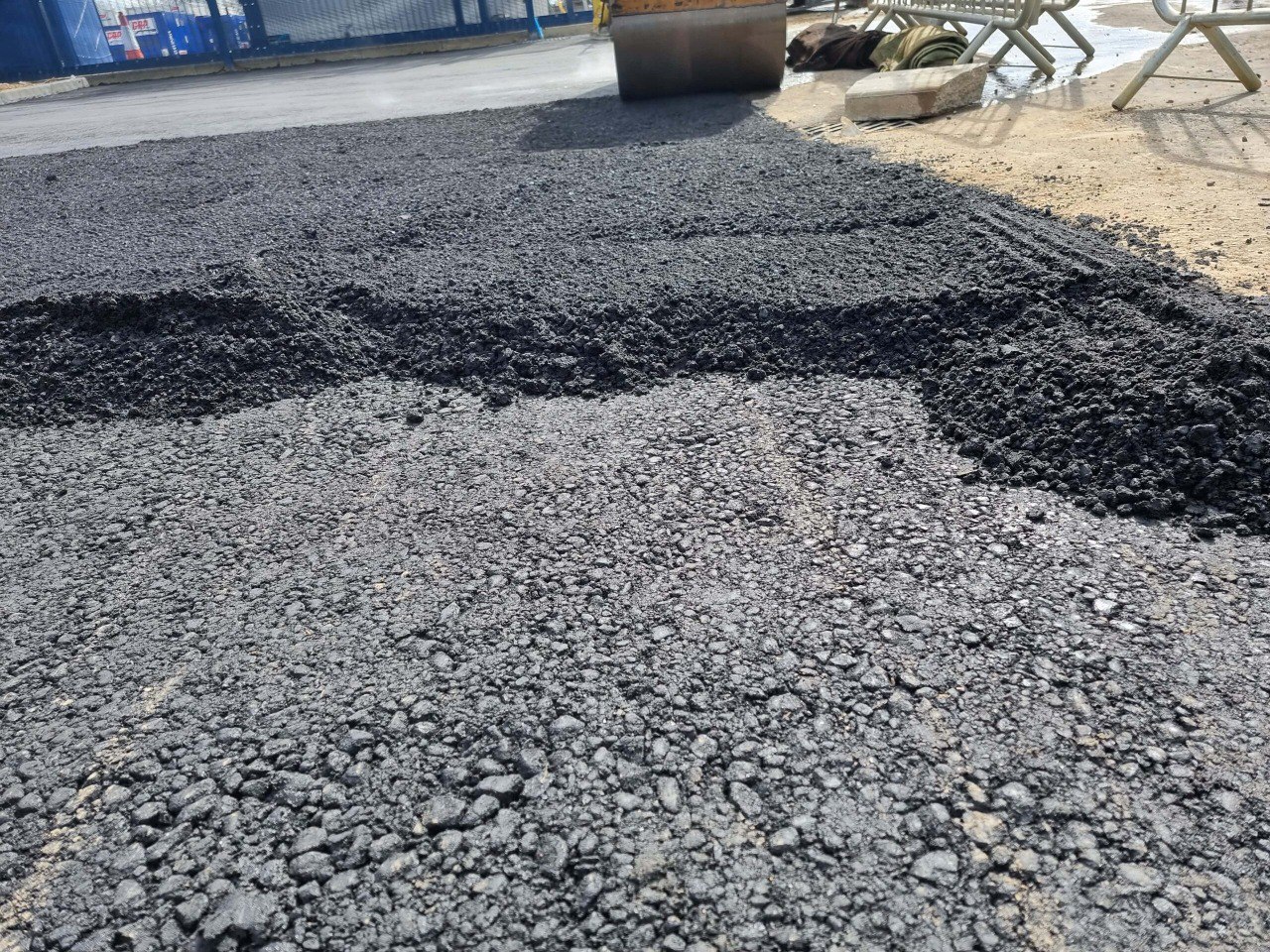
From Driveways to Roadways: Understanding the Versatility of Tarmac Surfacing
Tarmac is one of the most widely used surfacing options for areas that need a durable, practical and relatively low-maintenance finish. Although it is often associated with roads, tarmac surfacing is equally suitable for many residential applications, including driveways, access routes and larger private areas.
For properties in Ascot, Berkshire, choosing the right surfacing solution depends on how the area will be used, the condition of the existing ground and the level of traffic expected. Understanding where tarmac can be used and what affects its performance can help you make a more informed decision.
What Is Tarmac Surfacing?
Tarmac surfacing uses an asphalt-based material designed to create a strong, continuous surface. When installed correctly over a suitable foundation, it can withstand regular vehicle use while providing a smooth and practical finish.
The versatility of tarmac comes from its ability to be adapted to different types of surfaces and usage requirements. It can be used for everything from a residential driveway to a larger private roadway, provided the preparation and construction are appropriate for the application.
Tarmac Driveways for Residential Properties
A tarmac driveway can provide a clean and functional entrance to a property. Its smooth surface makes vehicle access straightforward and can work well with different property styles.
For a driveway in Ascot, Berkshire, important considerations include the available space, existing ground conditions, drainage and how frequently the driveway will be used.
Proper preparation is particularly important. A well-constructed foundation helps the finished surface cope with regular vehicle movements without unnecessary movement or deterioration.
Tarmac for Private Access Roads
Tarmac is not limited to individual driveways. It can also be used for private access roads and shared routes where several vehicles regularly travel across the same surface.
These areas may experience considerably more traffic than a typical residential driveway, making appropriate ground preparation and construction essential.
The proposed width, gradients, drainage and expected vehicle movements should all be considered before work begins.
Suitable for Larger Roadways
Where a larger private roadway is required, tarmac can provide a continuous surface capable of accommodating regular vehicle traffic.
The construction requirements will depend on factors such as the ground conditions and expected loading. A professional assessment can establish the appropriate approach and help ensure that the finished roadway is suitable for its intended use.
This demonstrates why tarmac can be a versatile option rather than simply a material for standard residential driveways.
Why Ground Preparation Matters
The quality of a tarmac surface depends heavily on what is underneath it. Even high-quality surfacing can develop problems if the foundation has not been prepared correctly.
Preparation may involve removing unsuitable material, establishing the correct levels, installing an appropriate sub-base and compacting the underlying layers.
Drainage should also be considered at this stage. Effective water management helps prevent water from remaining on or beneath the surface, which can contribute to deterioration over time.
Tarmac and Drainage Considerations
Water needs to be directed away from the finished surface effectively. Poor drainage can contribute to standing water, edge deterioration and other surface problems.
Before installing a tarmac driveway or roadway, the levels, gradients and surrounding drainage arrangements should therefore be assessed.
In Ascot, Berkshire, careful planning can help ensure that the finished surface works effectively with the existing property and surrounding ground.
Tarmac Can Suit Different Property Requirements
One of the main advantages of tarmac is its flexibility. It can be used for relatively compact residential driveways as well as larger areas requiring a durable vehicle surface.
However, the same installation approach is not suitable for every project. The construction should be planned around the intended use, ground conditions and expected traffic.
A professional assessment helps identify the appropriate preparation and surfacing method rather than treating every driveway or roadway in the same way.
Maintaining a Tarmac Surface
Once installed, tarmac requires sensible ongoing care to help maintain its condition. Keeping drainage routes clear and dealing with signs of damage early can help prevent minor issues from becoming more extensive.
Regularly checking the surface for cracks, loose edges, depressions or areas where water is collecting can help identify potential problems at an early stage.
Professional Tarmac Surfacing in Ascot, Berkshire
At NS Driveways Ascot, we understand that every surfacing project has different requirements. Whether you are considering a new tarmac driveway, private access route or larger roadway, proper planning and preparation are essential to achieving a reliable finished surface.
We can assess the area, consider how it will be used and help determine the appropriate approach for the project.
If you are considering tarmac surfacing in Ascot, Berkshire, contact NS Driveways Ascot to discuss your requirements and arrange a professional assessment.
Conclusion
Tarmac surfacing offers versatility across a wide range of applications, from residential driveways to private roadways. Its long-term performance depends on more than the surface material itself, with proper preparation, drainage and construction playing an important role.
For a practical and professionally planned tarmac surface in Ascot, Berkshire, speak to NS Driveways Ascot to discuss your project and arrange a suitable surfacing solution.
Call us on: 01344 951 398
Click here to find out more about NS Driveways Ascot
Click here to complete our contact form and see how we can help with your driveway needs.