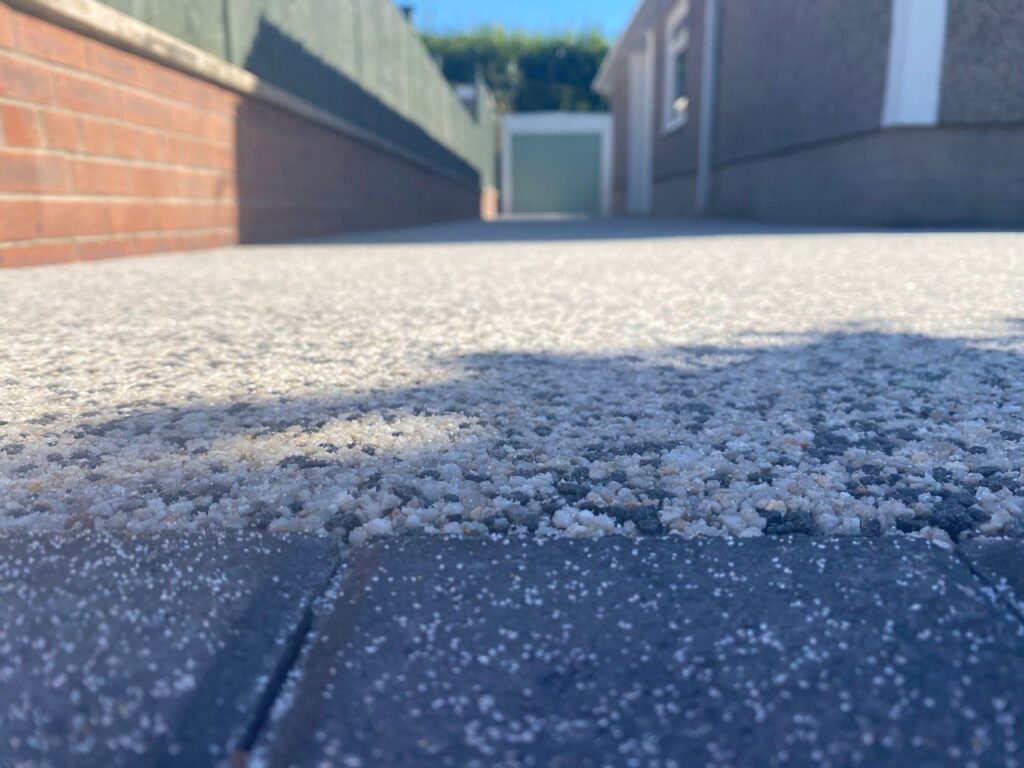
Why Is the Condition of the Existing Base So Important for Resin?
A resin driveway is often chosen for its smooth appearance, attractive aggregate finish and ability to create a smart, continuous surface. However, the quality of a resin installation depends on much more than the material visible at the end of the project. What lies underneath the resin is equally important.
For homeowners in Ascot, Berkshire, assessing the existing base is an essential stage when considering resin surfacing. At NS Driveways Ascot, we examine the condition, stability and suitability of the existing surface before installation because a high-quality resin finish needs dependable support beneath it.
Resin Is Only as Reliable as the Surface Supporting It
Resin surfacing forms the finished layer of the driveway, but it does not compensate for serious movement or deterioration underneath.
If the existing base is unstable, badly cracked or beginning to break apart, applying resin directly over it can allow those weaknesses to affect the finished surface later.
The underlying construction therefore needs to provide a suitable foundation before the resin layer is installed.
What Makes an Existing Base Suitable?
An existing surface should be assessed individually rather than assumed to be suitable simply because it appears reasonably solid.
Important factors include:
- Structural stability
- Existing cracks
- Areas of settlement
- Loose or deteriorating material
- Surface levels
- Drainage
- Contamination
- Previous repairs
A professional assessment establishes whether the existing base can be prepared for resin or whether additional groundwork is required.
Existing Cracks Can Indicate Movement
Cracking is one of the most important warning signs to investigate.
A small isolated defect may be relatively straightforward, but extensive or recurring cracking can indicate movement within the existing construction. Simply covering those cracks does not necessarily remove the cause.
If movement continues beneath a new surface, it can eventually affect the resin above. Understanding why the cracking developed is therefore more important than simply hiding it.
Sinking Areas Need Attention Before Resurfacing
Depressions and uneven areas can suggest that parts of the supporting construction have settled.
This matters because a resin driveway should have a stable and appropriately prepared surface beneath it. Installing over an area that continues to move may compromise the consistency of the finished driveway.
Any signs of settlement should be investigated during preparation so that weaknesses can be addressed rather than concealed.
A Deteriorating Surface Cannot Simply Be Covered
Older driveways sometimes begin breaking apart, particularly around edges, cracks and heavily used sections.
Where the existing material has become loose or unstable, it may no longer provide suitable support for a new resin finish. Covering deterioration does not restore the strength of the material beneath.
Professional preparation may therefore involve removing unsuitable sections and establishing a dependable surface before resin is applied.
Drainage Starts Below the Finished Appearance
A well-installed driveway needs to manage rainfall effectively. Existing levels, falls and drainage arrangements must therefore be considered before resurfacing.
If an old driveway already suffers from persistent standing water, simply installing a new finish without understanding the cause may leave the underlying problem unresolved.
Good preparation considers how water will behave across the completed driveway as part of the wider installation.
Surface Preparation Is Essential for Bonding
Even a structurally sound base needs appropriate preparation before resin is installed.
The surface needs to be suitable for the resin system to bond correctly. Dirt, loose material and other contaminants can interfere with adhesion if they are not properly dealt with.
This preparation is one reason professional installation involves considerably more than simply spreading resin and aggregate across an existing driveway.
Why a Smooth Existing Surface Is Not Always a Sound One
Appearances can be misleading. An existing driveway may look relatively level from above while containing cracks, weak repairs or areas of deterioration.
Similarly, a surface that looks weathered may still provide a suitable foundation once it has been professionally assessed and prepared.
The important distinction is between cosmetic condition and structural suitability.
Can Resin Be Installed Over an Existing Driveway?
In suitable circumstances, an existing surface may provide a base for resin installation. However, this should only be determined after its condition has been properly assessed.
Questions that need answering include:
- Is the surface stable?
- Are significant cracks present?
- Is there evidence of movement?
- Are the levels suitable?
- Is drainage functioning correctly?
- Are there weak or loose areas?
- Can the surface be prepared appropriately?
If the answer reveals substantial underlying problems, further preparation may be necessary before the resin installation can proceed.
Edges Are Part of the Base Preparation
The perimeter of a driveway also requires careful consideration.
A resin surface needs clearly defined and stable edges. Weak, damaged or poorly supported boundaries can undermine the quality of the finished installation.
Good preparation therefore considers the complete area rather than concentrating solely on the centre of the driveway.
Why Covering Problems Is Not the Same as Correcting Them
One of the biggest mistakes with any resurfacing project is assuming that a new finish will solve every existing defect.
Resin can transform the appearance of a driveway, but it should be installed over suitable supporting construction. Structural movement, settlement and failing materials need to be addressed at the preparation stage.
Taking the time to correct these issues provides a much better foundation for the completed surface.
Professional Assessment Prevents Guesswork
Determining whether an existing driveway is suitable for resin requires experience. Different surfaces can deteriorate in different ways, and visible damage does not always reveal what is happening underneath.
At NS Driveways Ascot, we assess the existing area before recommending the appropriate preparation. This allows the installation to be planned around the actual condition of the driveway rather than relying on assumptions.
The objective is to create a resin surface supported by appropriate groundwork from the outset.
Good Preparation Supports a Better Finished Driveway
Homeowners naturally focus on aggregate colours and the appearance of the finished resin surface, but preparation deserves equal attention.
A carefully prepared base supports:
- Consistent surface levels
- Reliable everyday use
- Effective drainage
- Strong adhesion
- Neat edges
- A high-quality overall finish
Much of what determines the success of a resin driveway is completed before the decorative surface is installed.
Conclusion
The condition of the existing base is extremely important for resin because the finished surface depends on stable and properly prepared support underneath. Cracks, movement, settlement, poor drainage and deteriorating materials should be assessed before installation rather than simply covered by a new surface.
For homeowners in Ascot, Berkshire, NS Driveways Ascot provides professional resin driveway installations with careful attention to preparation as well as the finished appearance. If you are considering resin for an existing driveway, our experienced team can assess the current surface and recommend the preparation required to create a smart, practical and professionally finished result.
Call us on: 01344 951 398
Click here to find out more about NS Driveways Ascot
Click here to complete our contact form and see how we can help with your driveway needs.